DIPLOMA PRINCIPADO DE ASTURIAS - PATRONA DE ASTURIAS
DEL 1 AL 13 DE SEPTIEMBRE EDICION 2026
ORGANIZADO POR JUAN CARLOS EA1AUM
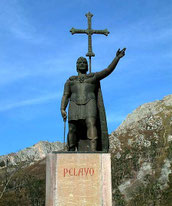
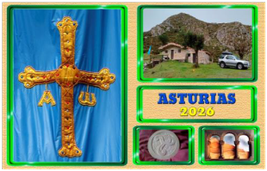
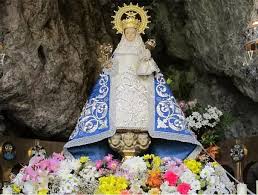
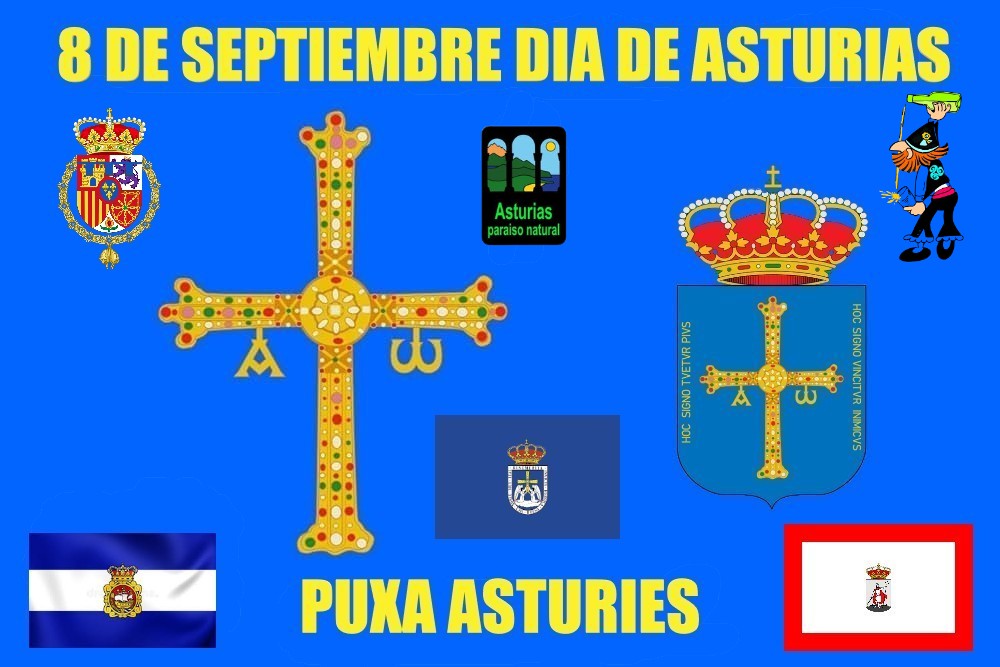
El Día de Asturias es la jornada festiva de la comunidad autónoma española del Principado de Asturias. Se celebra el día 8 de septiembre. Se celebra la festividad de la Virgen de Covadonga patrona de Asturias.
La fiesta, establecida por la ley 5/1984, de 28 de junio, se celebra institucionalmente cada año en la localidad que determine el Consejo de Gobierno del Principado de Asturias.
Historia
En 1980, el Consejo Regional de Asturias decretó que el Día de Asturias se celebraría el 8 de septiembre (Boletín Oficial del Consejo Regional de Asturias, n º 11, publicado el 24 de noviembre de 1980). Los primeros actos se realizaron en Cangas de Onís, ese mismo año. En 1981 y 1982, le tocaría el turno a Gijón y Avilés, respectivamente. Al mismo tiempo, el decreto iniciaba un procedimiento de declaración oficial de festividad.
El contexto político entonces pasaba por la elaboración del Estatuto de Autonomía del Principado de Asturias. Sería después de su aprobación en Cortes Generales, en 1983, cuando el día de Asturias queda declarado efectivamente como festivo en el calendario laboral (BOPA n º 27, 3 de febrero de 1983 y también el BOPA n º 297, 28 de diciembre de 1983).
La declaración del día de Asturias y su organización en estos años iniciales no gozó de unanimidad: la elección de los lugares de celebración y su coincidencia con la festividad dedicada a la Virgen de Covadonga, propició la presentación en octubre de 1983 de una iniciativa del Grupo Parlamentario Popular para cambiar la fecha de conmemoración del «Día de Asturias».
Como resultado de esta iniciativa, el 20 de noviembre de 1983 la Junta General acordó «constituir una Comisión Parlamentaria Especial para tratar con carácter general del Día de Asturias». La oficialización definitiva del festivo se produjo con la aprobación de la Ley 5/1984, de 28 de junio, por la que se instituye el «Día de Asturias». El procedimiento de elaboración fue el de una proposición de ley solicitada por todos los grupos parlamentarios, tomando como punto de partida el borrador realizado por la comisión parlamentaria. El texto inicial estuvo sujeto a enmiendas, y la ponencia para informarlo redactó un texto alternativo; su debate y votación por parte del pleno de la Junta General el 25 de junio de 1984 dio lugar a la definitiva aprobación de la ley (Boletín Oficial de la Junta General n º 48, 27 de junio de 1984).
La ley de honores y distinciones del Principado de Asturias, promulgada en 1986, creó la figura de la medalla de Asturias y, asimismo, canalizó la concesión de dos títulos honoríficos (concretamente, hijo adoptivo y predilecto de Asturias). Desde entonces, ha sido habitual utilizar los días previos al 8 de septiembre para homenajear a los galardonados, coincidiendo así con la fiesta regional asturiana.
Localidades de celebración
· 1980. Cangas de Onís
· 1981. Gijón
· 1982. Avilés
· 1983. Vegadeo
· 1984. Arriondas
· 1985-1986. Mieres
· 1987. Corvera
· 1988-1993. La Morgal (Llanera)
· 1994. Cangas de Onís
· 1995. Nava y Oviedo
· 1996-1999. La Morgal (Llanera)
· 2000. Trevías (Valdés)
· 2001. Gijón
· 2002. Oviedo
· 2003. Avilés
· 2004. Mieres
· 2005. Pravia
· 2006. Nava
· 2007. Navia
· 2008. San Martín del Rey Aurelio
· 2009. Cudillero
· 2010. Ribadesella
· 2011. Área recreativa Entrambasaguas (Amieva)
· 2012. Tineo
· 2013. Villaviciosa
· 2014. Candás
· 2015. Colunga
· 2016. Taramundi
· 2017. Llanera
· 2018. Campo de Caso
· 2019. Cabrales
· 2020. Suspendido por el Covid-19
· 2021. Limitado por el Covid-19
· 2022. Corvera
· 2023. Laviana
· 2024. Santa Eulalia de Oscos, San Martín de Oscos y Villanueva de Oscos
· 2025 Comarca de La Sidra (Nava, Villaviciosa, Colunga, Bimenes, Cabranes, Sariego)
· 2026 San Tirso de Abres, Vegadeo, Castropol.
Asturias Day is the official holiday of the Spanish autonomous community of the Principality of Asturias. It is celebrated on September 8th. The holiday commemorates the Virgin of Covadonga, patron saint of Asturias.
Established by Law 5/1984 of June 28th, the holiday is officially celebrated each year in a location chosen by the Governing Council of the Principality of Asturias.
History
In 1980, the Regional Council of Asturias decreed that Asturias Day would be celebrated on September 8th (Official Bulletin of the Regional Council of Asturias, No. 11, published on November 24, 1980). The first events were held in Cangas de Onís that same year. In 1981 and 1982, the celebrations took place in Gijón and Avilés, respectively. At the same time, the decree initiated the process for its official declaration as a holiday.
The political context at the time involved the drafting of the Statute of Autonomy of the Principality of Asturias. It was after its approval by the Spanish Parliament (Cortes Generales) in 1983 that Asturias Day was officially declared a public holiday (Official Gazette of the Principality of Asturias [BOPA] No. 27, February 3, 1983, and also BOPA No. 297, December 28, 1983).
The declaration of Asturias Day and its organization in these initial years were not unanimous: the choice of the celebration locations and their coincidence with the feast day of Our Lady of Covadonga led to the presentation in October 1983 of a motion by the People's Parliamentary Group to change the date of commemoration of "Asturias Day."
As a result of this motion, on November 20, 1983, the General Assembly agreed to "establish a Special Parliamentary Committee to address Asturias Day in general terms." The official recognition of the holiday came with the approval of Law 5/1984, of June 28, which established "Asturias Day." The drafting process involved a proposed law requested by all parliamentary groups, based on a draft prepared by the parliamentary committee. The initial text was subject to amendments, and the committee drafted an alternative text. Its debate and vote by the plenary session of the General Assembly on June 25, 1984, led to the final approval of the law (Official Gazette of the General Assembly No. 48, June 27, 1984).
The Law on Honors and Distinctions of the Principality of Asturias, enacted in 1986, created the Medal of Asturias and also established the procedures for granting two honorary titles (specifically, Adopted Son and Favorite Son of Asturias). Since then, it has become customary to use the days leading up to September 8th to honor the award winners, coinciding with the Asturian regional holiday.